Switchboard upgrades
Switchboard upgrades in Epsom
Every circuit in an Epsom house starts at the switchboard, and in an older home the board can be the oldest electrical part still in service. We replace fuse boards with modern switchboards, add RCD protection and space for new circuits, and arrange the inspection when the work needs one.
What an old board is telling you
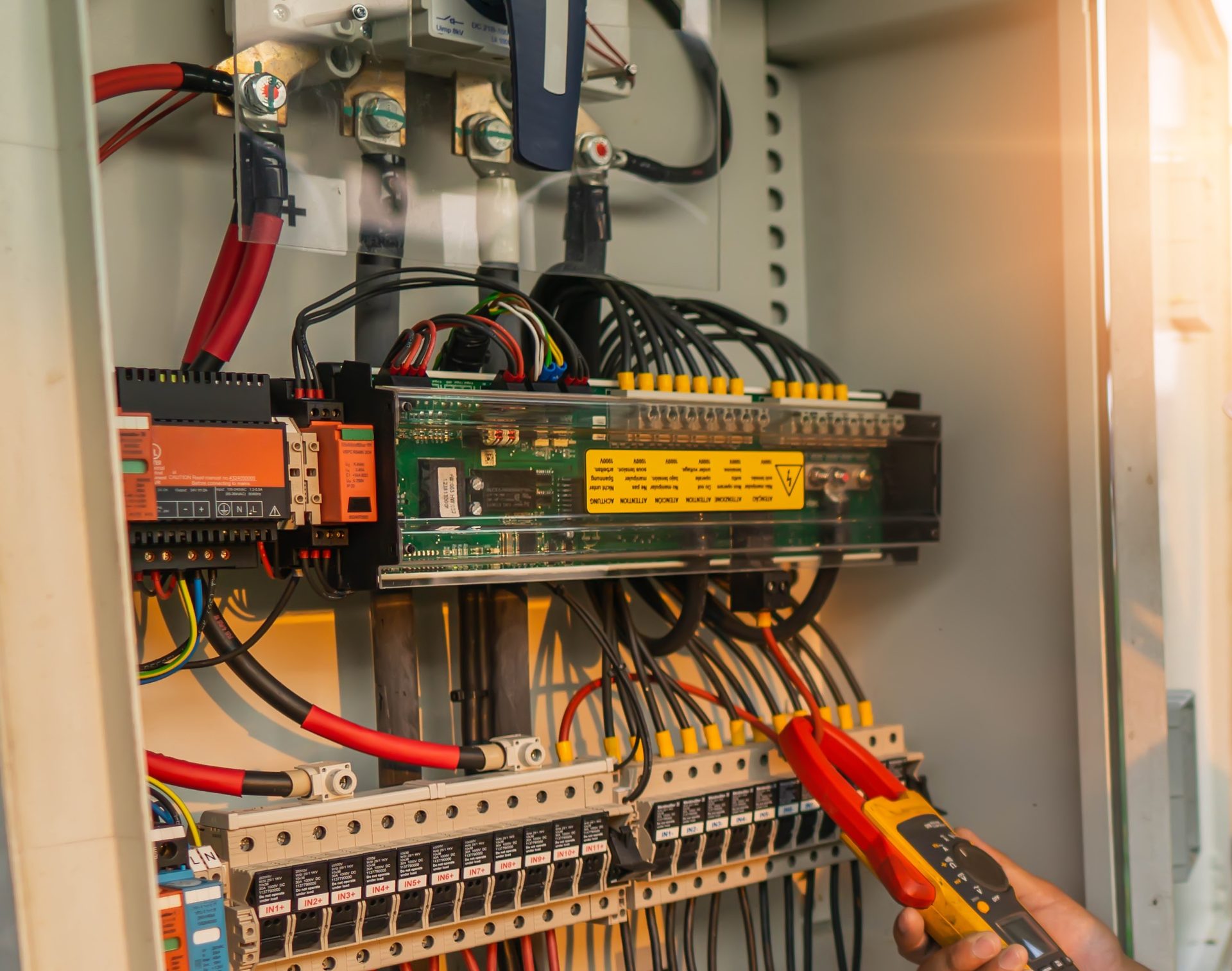
Open the meter box on an older Epsom house and you may find ceramic fuse holders with fuse wire instead of circuit breakers, little or no RCD protection, and no spare space for another circuit. Boards like that were made for a house with a handful of lights and power points. A household now runs heat pumps, an induction cooktop, a dishwasher, computers and a drawer full of chargers, often all at the same time.
A modern switchboard does three things an old fuse board cannot. Its circuit breakers can be reset rather than rewired, so nobody is tempted to fit a heavier fuse wire to stop a fuse blowing. Its RCDs cut the power within a fraction of a second when current leaks to earth, whether through damaged insulation or through a person. And it has spare ways for the circuits you add later.
A new board is only as good as the wiring connected to it. If the cable behind it is as old as the fuses, plan the upgrade alongside a rewire of the older circuits so the weak link is not simply moved downstream.
When an upgrade makes sense
Who owns what between the street and your board
The switchboard is the end of a chain, and different people own different links. Vector explains that it generally owns the lines and equipment up to the point of supply, which is usually an isolating fuse on your boundary or on the nearest pole. The service line from there to the meter belongs to the property owner, and the meter itself is your electricity retailer's responsibility.
That matters on Epsom's generous, tree-filled sections, where a house can sit well back from the street and the private line to it can be a long one. Vector notes that old lines, and lines close to trees, are the most likely to be damaged in bad weather. When a board is upgraded it is worth looking at the condition of the service line feeding it too.
Inspection and certification
Not every switchboard job is treated the same way by the regulations. The Electrical Workers Registration Board's guidance on high-risk work says that installing a higher-capacity board to cater for increased use is an alteration classed as high-risk work, and so is relocating a board where that means extending, jointing or rerouting the existing mains. High-risk work has to be inspected. Replacing a damaged main switch or fuse as a repair, on the other hand, counts as low-risk maintenance and does not.
When an upgrade does need inspecting, we arrange a licensed electrical inspector, and you receive the certificate for the work along with the inspection record. Both belong in your property file.
Character houses and the outside of the house
Much of northern Epsom has been covered by special character planning rules for years. When the Auckland Unitary Plan was decided in 2016, its Special Character Areas Overlay listed "Isthmus B - Epsom" among the residential special character areas, with restoration and repair permitted but external alterations or additions needing a resource consent.
A new switchboard inside the house changes nothing on the outside. Moving the meter box to a new position on a street-facing wall is another matter, and later plan changes have reviewed which areas stay in the overlay, so check your property with Auckland Council before a relocation is planned.
Switchboard questions
Is an old fuse board dangerous?
Not automatically, but it carries risks a modern board does not. Rewireable fuses are easy to refit with the wrong fuse wire, and a board without RCDs gives no protection against current leaking to earth through a person. If your house still has one, have it looked at.
What does an RCD actually do?
It compares the current going out on a circuit with the current coming back. If some is leaking, through damaged insulation or through someone touching a live part, it switches the circuit off in a fraction of a second.
What happens to my meter?
The meter is your electricity retailer's responsibility, so if a board upgrade means the meter has to change or move, your retailer will be involved as well.
Can the switchboard be moved inside?
It can be. Relocating a board in a way that extends or reroutes the mains is high-risk work that must be inspected, and on a character house any change to the outside walls is worth checking against the planning rules first. We can talk through where a new board can sensibly go.
Does a new switchboard mean a full rewire?
No. But if the cable behind the board is old rubber-insulated wiring, changing the board alone leaves the weakest part in place, so the two are best looked at together.
Talk to an electrician about your Epsom home
Call 021 156 4005 at any hour, or send us the details and an electrician will get back to you.
Other electrical work in Epsom
House rewiring
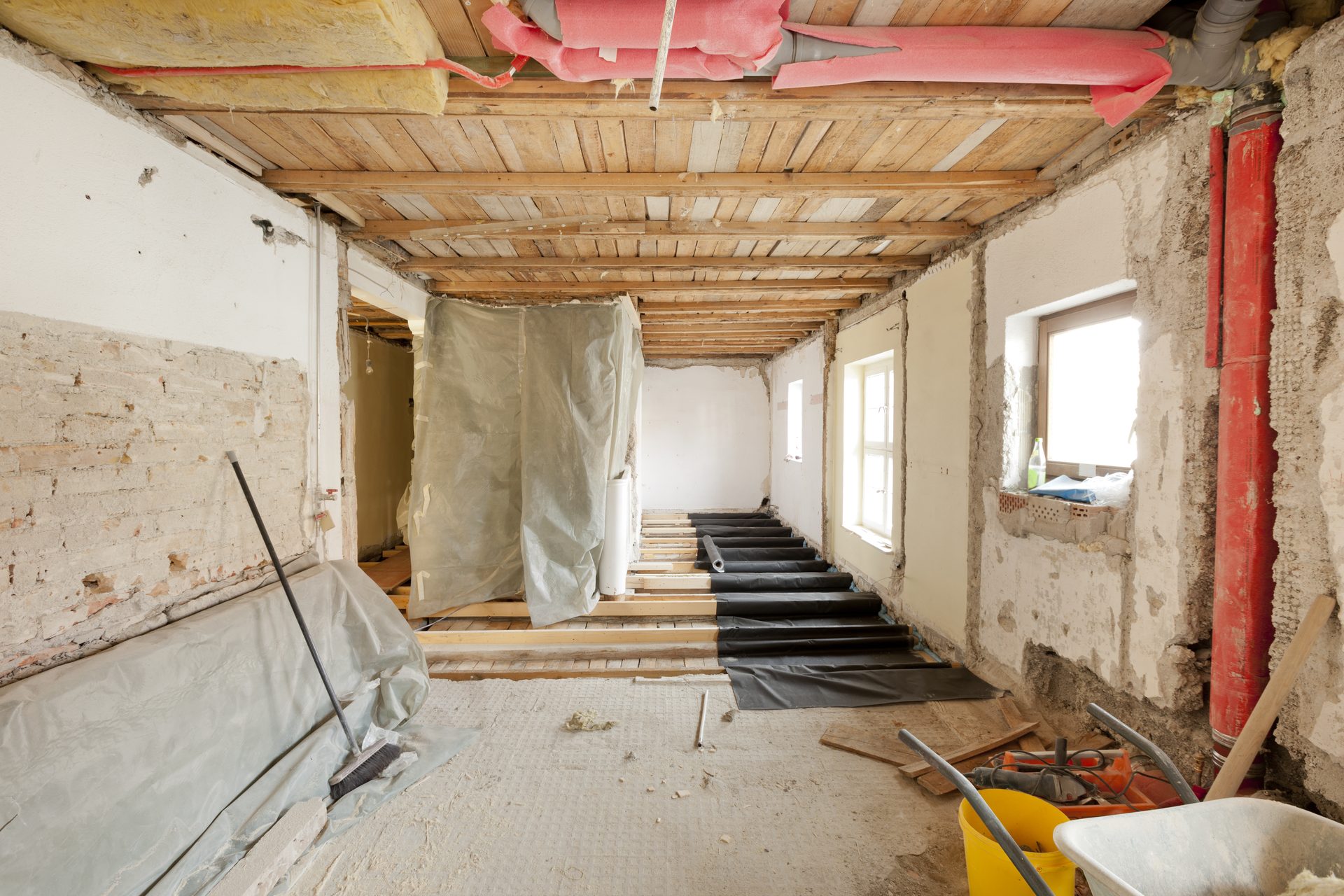
Partial and full rewires for Epsom villas, bungalows and later homes, planned around how the house is built.Read more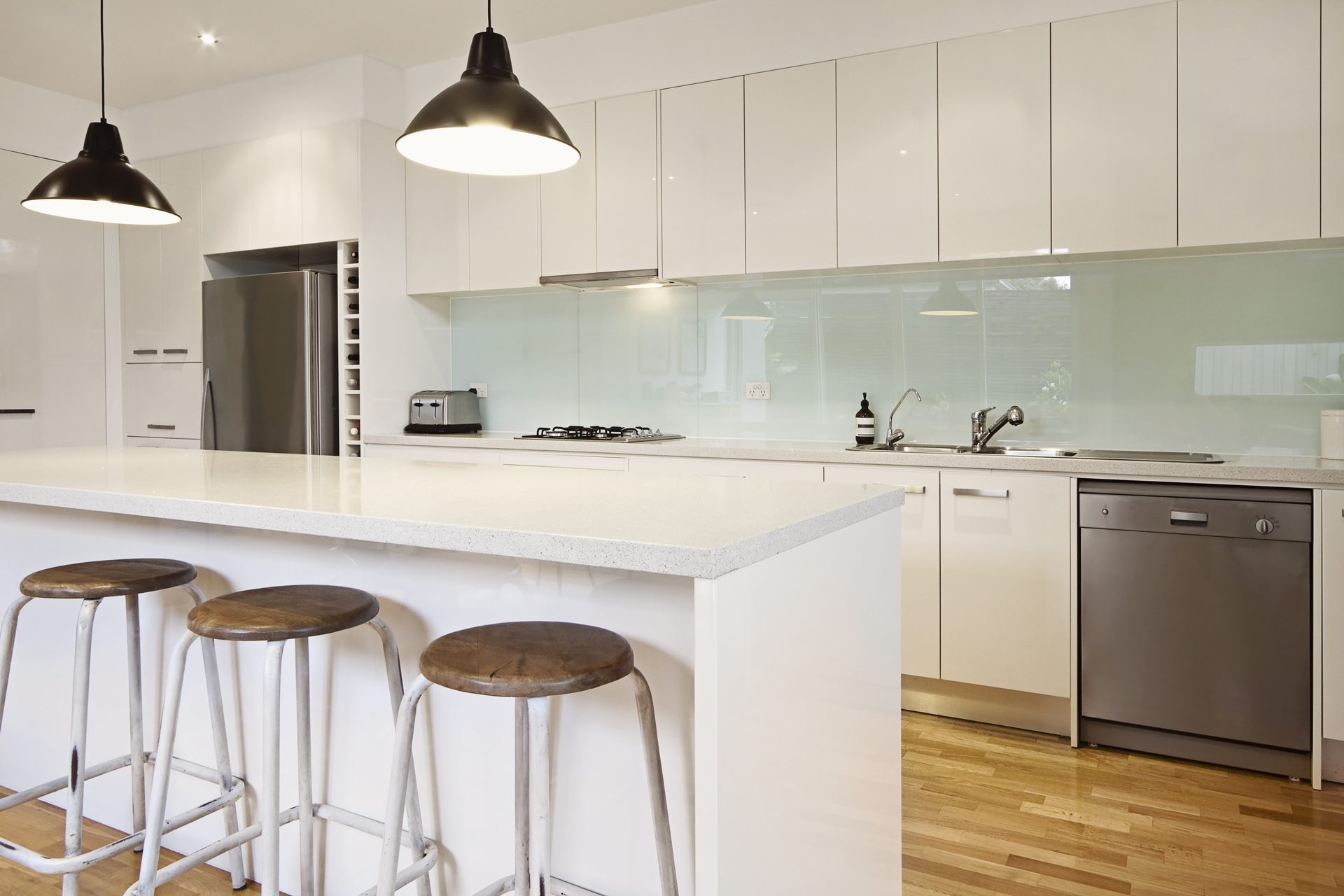
LED and garden lighting
LED downlights, pendants and interior lighting, plus path, garden and outdoor lighting for leafy Epsom sections.Read more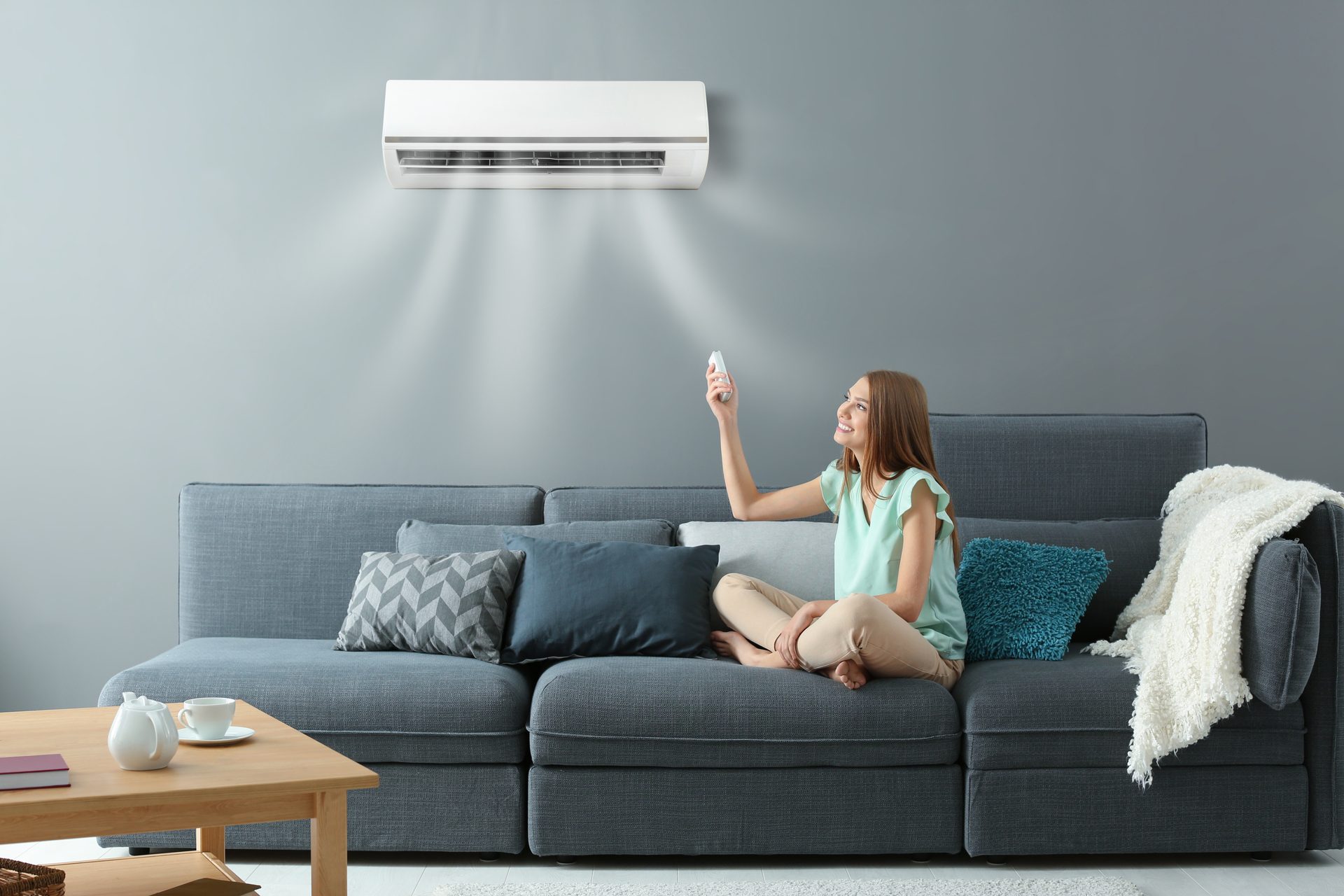
Heat pump installation
Heat pumps sized and placed for the room, with the circuit and switchboard work done by the same electricians.Read more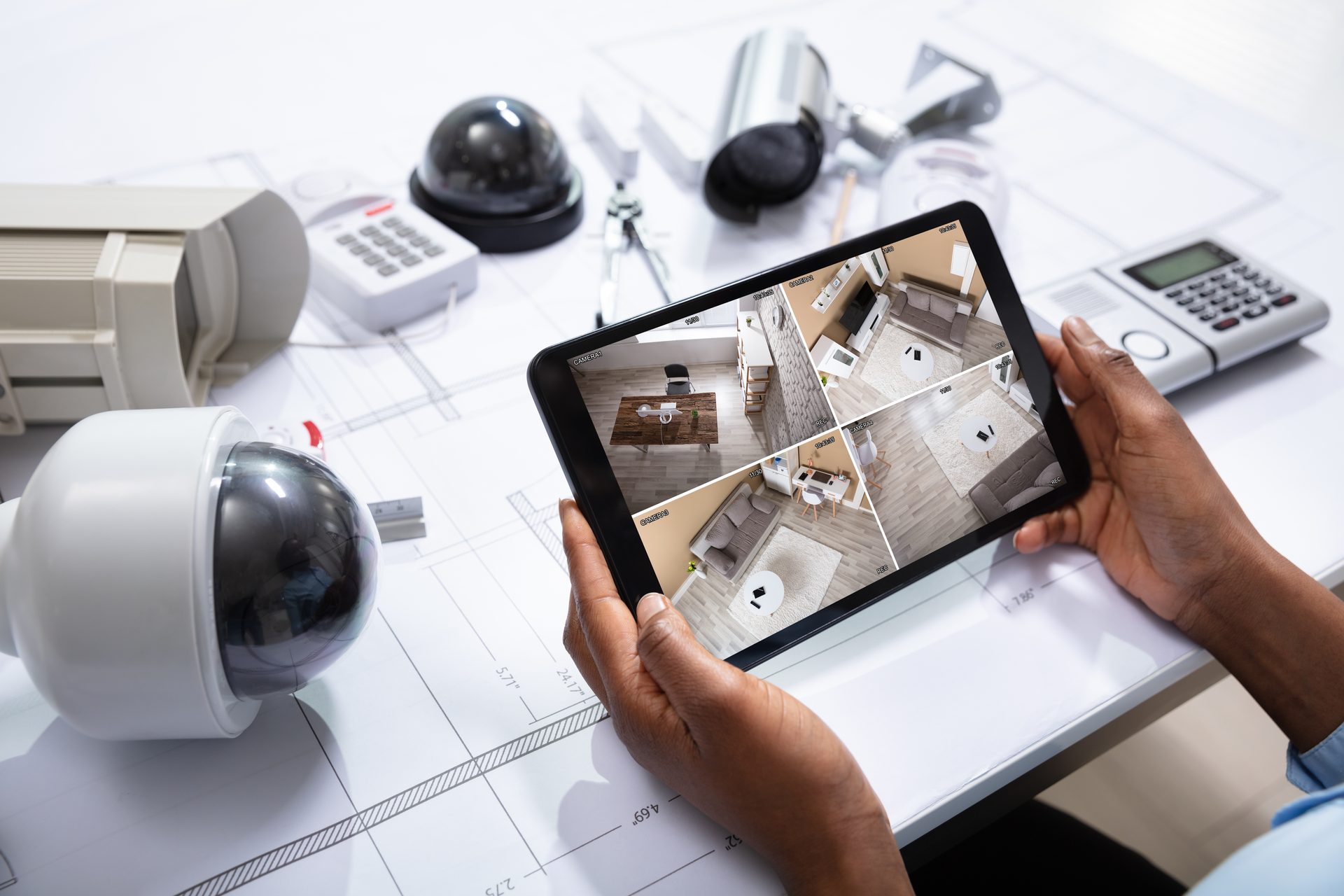
Security cameras and alarms
Alarm systems and CCTV cameras for homes and premises, placed to cover your property and not your neighbours'.Read more
TV mounting and aerials
Televisions wall-mounted with the cables hidden, aerials and home entertainment wiring, and data points where you need them.Read more
Emergency electrician
Call-outs 24 hours a day, 7 days a week for power faults, tripping circuits and damaged wiring.Read moreEnquiries
Contact us
Call 021 156 4005, day or night, or leave a message below with your address and what you need done.
021 156 4005- Auckland
- Call-outs at any hour, any day of the week