House rewiring
House rewiring in Epsom
Plenty of Epsom houses are older than the power supply that eventually reached them, and their wiring shows it: a century of additions, repairs and extensions, often by different hands. We rewire Epsom villas, bungalows and later homes, in stages or all at once, and test and certify the work when it is finished.
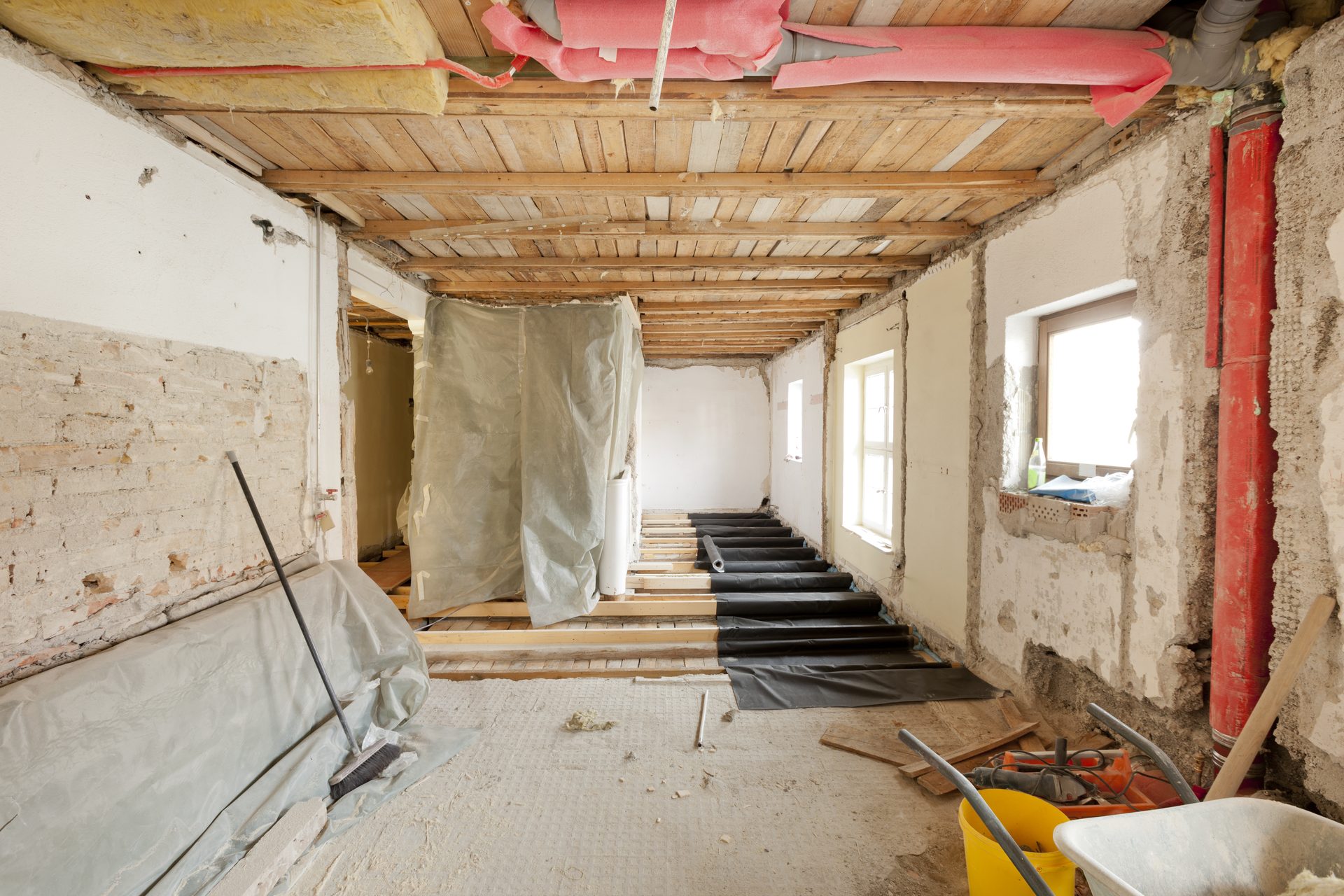
Wired after they were built
Electricity arrived in Epsom after many of its houses did. Auckland Council's heritage survey of the Albert-Eden area records that the city's early supply reached only small parts of Epsom and Mount Eden, and that most of the district was connected during the 1920s, once the Auckland Electric Power Board took over in 1922. By 1923 the lines ran along Manukau Road as far as Onslow Avenue and the whole length of Gillies Avenue, where an Epsom substation had opened in 1917.
Before that, Auckland homes were lit by gas or kerosene, and Epsom's streets had gas lamps from 1896. So a villa finished in the 1890s or 1900s had its wiring added later, and electric stoves and the idea of an all-electric home only took hold in the 1920s. Since then most of these houses have had kitchens moved, rooms added and appliances multiplied, and the wiring has been extended to keep up, usually piece by piece.
With Epsom's housing running from the 1890s through the 1930s and beyond, it is worth knowing what is behind the walls of any house here that has never had a full rewire.
Signs the wiring needs attention
Fuses you can rewire
Ceramic fuse holders with fuse wire, instead of circuit breakers, point to a board and wiring of real age.
No RCD protection
An RCD switches a circuit off when current leaks to earth. Older boards often have none at all.
Rubber-insulated cable
Rubber insulation from earlier last century hardens and cracks with age, and can expose live wires when disturbed.
Not enough power points
Multi-boxes in every room mean the house was wired for a fraction of what it runs now.
Warm, buzzing or marked fittings
A switch or socket that is warm, buzzes or has scorch marks needs an electrician soon, not at the next renovation.
Lights that dim or flicker
Lights dipping when an appliance starts can mean loose connections or an overloaded circuit.
Rewiring a period house with care
The way an older Epsom house is built decides how a rewire is done. Where there is a timber floor with room underneath and a roof space above, new cable can usually be run between the two with little disturbance to the rooms. Original plaster, timber linings, skirtings and ceiling roses are part of what makes these houses worth keeping, so cable routes are chosen to cut as little as possible, and any opening is kept small and in the least visible place.
Timing matters too. The easiest time to rewire is while walls or ceilings are open anyway, during a kitchen or bathroom renovation or before new linings go up. It is also the moment to plan everything else that needs a cable: new LED and garden lighting, a dedicated circuit for a heat pump, and data points for the TV and home office.
A rewire does not have to happen all at once. A partial rewire of the lighting circuits, a kitchen or an extension can make sense where the rest of the house has already been brought up to date. Either way, old wiring usually ends at an old board, so a rewire and a switchboard upgrade in Epsom are best planned together.
How a rewire runs
Tell us about the house
Its age if you know it, any wiring work done before, and what has prompted the call.
Look at the wiring and the board
An electrician checks the switchboard and the cable in the roof space and under the floor where they can be reached, and tests the circuits.
Agree the plan
Full or partial, all at once or in stages, where new power points and lights will go, and how the work fits around you living in the house.
Do the work
Old circuits are disconnected and replaced one at a time, with new cable, fittings and protection.
Test and certify
The finished work is tested and certified. WorkSafe explains the Certificate of Compliance you should receive for fixed wiring work; keep it, as insurers and buyers may ask for it.
House rewiring questions
Will we have to move out during a rewire?
That depends on the size of the house and how much is being done. A rewire can be planned room by room so most of the house stays usable, with the power off only while each circuit is changed over. Tell us how you use the house and the plan can be built around it.
Does a rewire need an inspection?
A rewire on its own is general electrical work, certified with a Certificate of Compliance. If the job also includes mains work, such as installing a higher-capacity switchboard, that part is high-risk work and has to be inspected by a licensed electrical inspector, which we arrange.
How can I tell if my house has old rubber wiring?
Usually not from inside the rooms. An electrician can see the cable where it enters the switchboard, in the roof space and under the floor. Please do not handle old cable yourself, because brittle insulation can leave live conductors exposed.
Can you rewire just part of the house?
Yes. A partial rewire is often the sensible choice where some circuits have already been replaced. The remaining wiring and the board are checked as well, so the new work is not connected to a weak point.
Is a rewire a good time to add data and TV cabling?
It is the best time. With the cable routes open, data points and the wiring for a wall-mounted screen cost far less effort than adding them later; see TV mounting and home entertainment wiring.
Talk to an electrician about your Epsom home
Call 021 156 4005 at any hour, or send us the details and an electrician will get back to you.
Other electrical work in Epsom
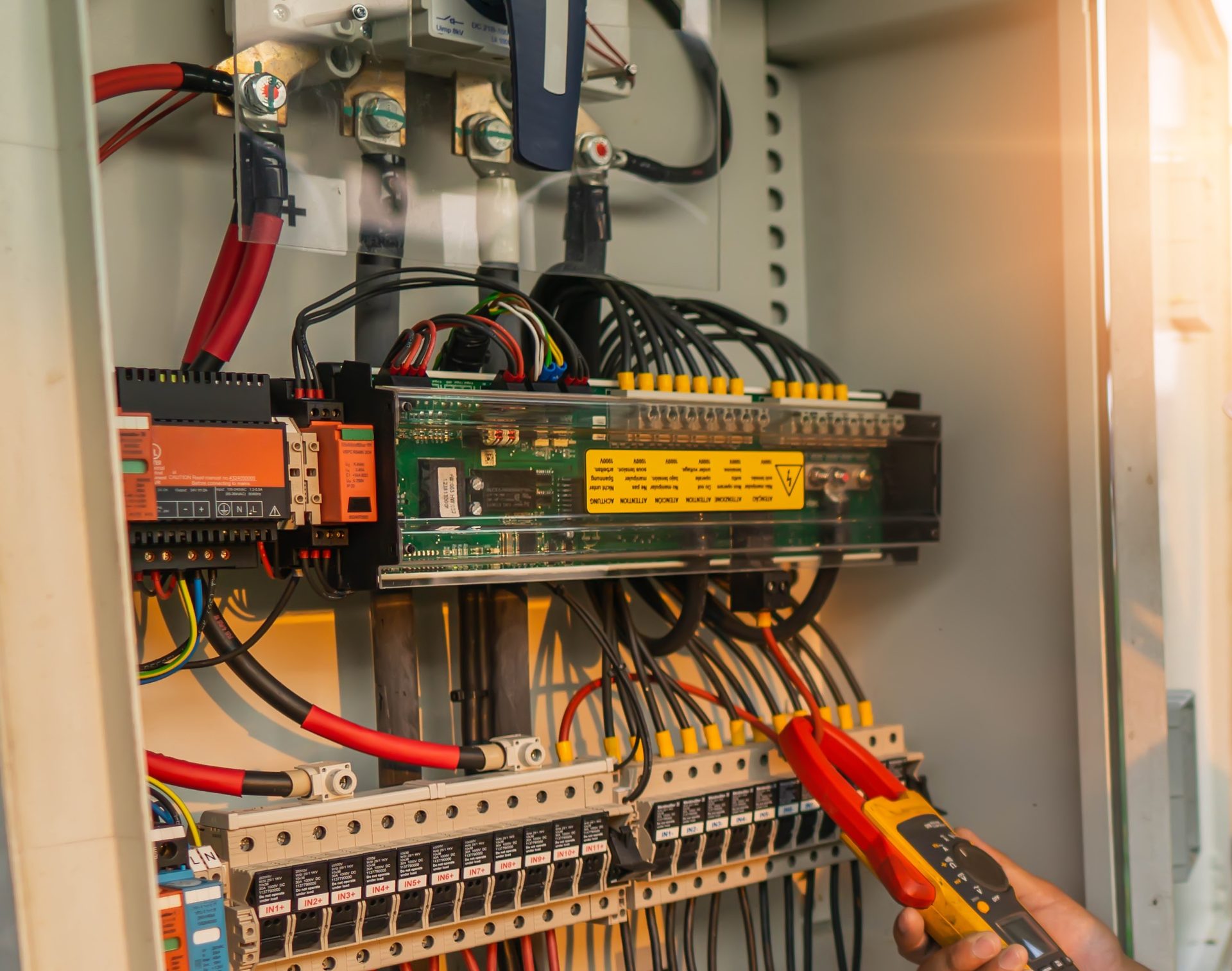
Switchboard upgrades
Old fuse boards replaced with modern switchboards that have room for the circuits a household uses today.Read more
LED and garden lighting
LED downlights, pendants and interior lighting, plus path, garden and outdoor lighting for leafy Epsom sections.Read more
Heat pump installation
Heat pumps sized and placed for the room, with the circuit and switchboard work done by the same electricians.Read more
Security cameras and alarms
Alarm systems and CCTV cameras for homes and premises, placed to cover your property and not your neighbours'.Read more
TV mounting and aerials
Televisions wall-mounted with the cables hidden, aerials and home entertainment wiring, and data points where you need them.Read more
Emergency electrician
Call-outs 24 hours a day, 7 days a week for power faults, tripping circuits and damaged wiring.Read moreEnquiries
Contact us
Call 021 156 4005, day or night, or leave a message below with your address and what you need done.
021 156 4005- Auckland
- Call-outs at any hour, any day of the week